Is Tarmac Suitable for a Driveway Used by Several Cars Every Day?
A driveway used by several cars every day needs to do considerably more than provide an attractive entrance to a property. Repeated vehicle movements, regular parking, turning and braking all place demands on the surface and the construction beneath it. Choosing an appropriate surfacing material is therefore particularly important for a busy residential driveway.
Tarmac can be an excellent option for properties in Sawston, Cambridgeshire where several vehicles use the driveway regularly. Its smooth, continuous finish is well suited to frequent traffic, but dependable performance relies heavily on correct ground preparation, an appropriate supporting base, effective drainage and professional installation. The strength of a tarmac driveway comes from the complete construction rather than the visible surface alone.
Why Can Tarmac Work Well for a Multi-Car Driveway?
Tarmac is widely suited to vehicle areas because it creates a continuous surface capable of accommodating regular traffic when properly installed. Unlike a driveway made from individual paving units, the finished surface has relatively few interruptions across the main driving area.
For a household with several vehicles, this can create a practical surface for entering, leaving, parking and manoeuvring.
However, the amount and type of traffic should be considered during planning so that the driveway construction reflects how the area will actually be used.
Frequent Vehicle Use Requires a Stable Foundation
The most important part of a heavily used driveway is often the part that cannot be seen once installation is complete.
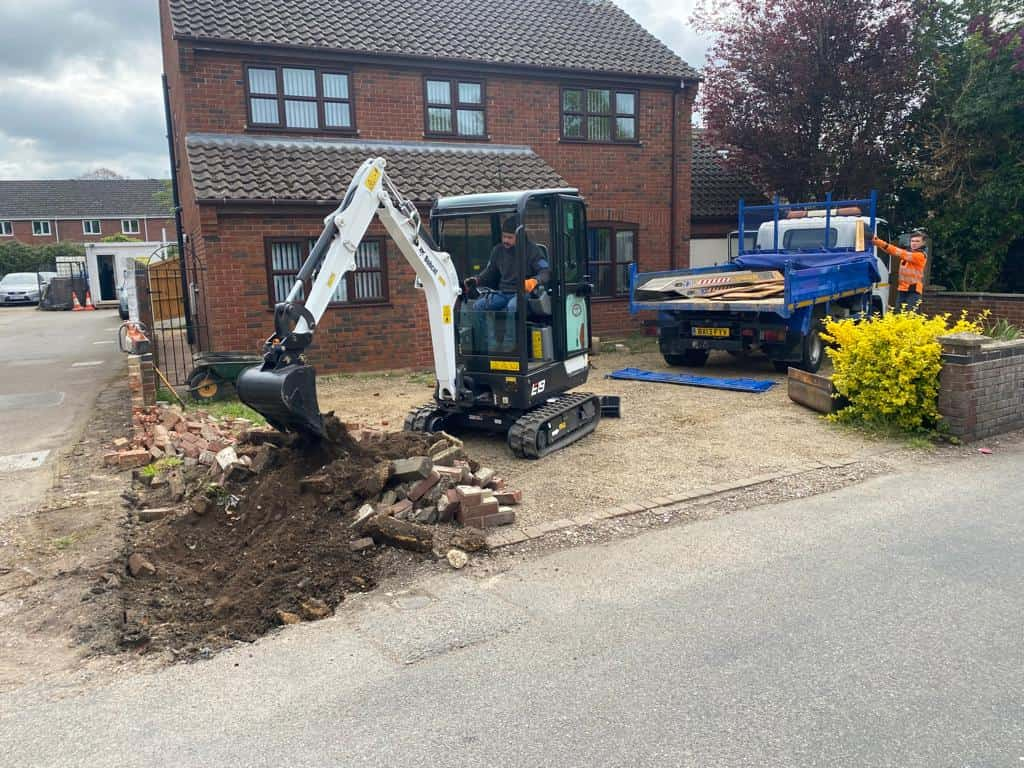
A tarmac surface relies on properly prepared supporting layers beneath it. These layers distribute vehicle loads and help prevent excessive movement within the finished driveway.
Where several cars repeatedly follow similar routes, weak preparation can become increasingly apparent.
Settlement, cracking and depressions can develop when the construction beneath the surface is unable to provide consistent support. Proper preparation is therefore essential before the tarmac itself is installed.
Tarmac Provides a Smooth Surface for Everyday Vehicle Movements
One practical advantage of tarmac is its relatively smooth and consistent finish.
This can make regular vehicle movements straightforward, particularly where cars need to enter and leave the property several times each day. The surface can also work well where vehicles need to reverse, turn or reposition within the driveway.
A well-planned layout is still important.
Providing a suitable surface is only part of creating an effective multi-car driveway; there also needs to be sufficient usable space for the number of vehicles expected to use it.
Parking Areas Need to Be Considered During Construction
Cars do not only travel across a driveway. They can remain parked in the same positions for extended periods.
This creates repeated loading within particular sections of the surface. If several household vehicles have regular parking positions, these areas need dependable support beneath them.
The construction should therefore be considered across the entire driveway rather than concentrating only on the entrance.
Correct preparation helps ensure that both frequently travelled routes and regular parking areas form part of one stable installation.
Repeated Wheel Tracks Can Concentrate Loads
Most drivers naturally follow similar routes every time they use a driveway.
Over time, this means vehicle loads become concentrated along predictable wheel tracks. On a properly constructed driveway, these repeated movements should be accommodated by the surface and supporting layers.
If the underlying construction is inadequate, wheel tracks may eventually become visible as depressions or deformation.
Designing the driveway for its expected level of use from the outset helps reduce the likelihood of these concentrated loads exposing weaknesses prematurely.
Turning Areas Need Particular Attention
A driveway serving several cars may experience more turning and manoeuvring than a simple single-vehicle parking space.
Tyres can place different forces on the surface when vehicles turn sharply, particularly when steering while moving slowly. Areas frequently used for reversing or changing direction should therefore be included within the overall construction plan.
The shape of the driveway can also influence how easily vehicles manoeuvre.
Where space allows, thoughtful layout planning can reduce unnecessarily tight movements and make the driveway more convenient for everyone using it.
The Driveway Entrance Often Receives the Most Traffic
Every vehicle using the property normally passes across the driveway entrance.
For a household with several cars, this can make the entrance one of the most frequently loaded sections of the entire surface. It may also experience braking and steering movements as vehicles enter and leave.
Appropriate preparation and edge detailing are particularly important in this area.
A professionally installed driveway should consider how the entrance connects with the main parking and manoeuvring space rather than treating it as a separate afterthought.
Good Edge Support Helps Maintain the Surface
The edges of a tarmac driveway contribute to the definition and support of the finished area.
Where vehicles regularly drive close to the perimeter, unsupported or poorly constructed edges can become more vulnerable to deterioration. This is especially relevant on multi-car driveways where drivers may use more of the available width when passing parked vehicles.
Suitable edge construction helps provide a clear and stable boundary.
The precise approach should be determined as part of the overall driveway design and surrounding landscaping.
Drainage Is Important on Larger Driveways
A driveway designed for several cars may cover a relatively substantial surface area.
Rainwater therefore needs to be considered carefully during planning. Appropriate levels and falls help control how water moves across the finished driveway and prevent unnecessary low points from developing.
Drainage should not be treated as something to correct after the tarmac has been installed.
The required levels need to be established during groundwork so that the completed driveway manages surface water appropriately as part of its overall construction.
Standing Water Can Highlight Developing Problems
If a previously well-drained tarmac driveway begins collecting water in particular areas, the surface levels may have changed.
Depressions can sometimes develop where supporting materials have settled or where repeated vehicle loading has affected an existing weakness. These low areas then create places where rainfall collects.
Standing water does not always indicate a major problem, but a new puddle combined with cracking or sinking deserves closer attention.
Early assessment can help determine whether the issue is confined to the surface or originates within the construction below.
Tarmac Can Suit Larger Parking Areas
Where several vehicles need to be accommodated, visual simplicity can become particularly valuable.
Tarmac creates a consistent surface across larger areas without requiring numerous changes in material or pattern. This can help a multi-car driveway retain a clean, straightforward appearance even when it occupies a significant proportion of the frontage.
The surrounding boundaries and edging can provide definition without making the main vehicle area unnecessarily complicated.
For many properties, this balance between practicality and a neat finish is one of the reasons tarmac works particularly well.
A Practical Layout Matters as Much as the Surface
A strong driveway can still be frustrating to use if the layout has not been planned around the vehicles.
Where several cars are parked regularly, consideration should be given to how easily each vehicle can enter and leave. Constantly moving one car to access another may indicate that the available space has not been used effectively.
Professional driveway planning can consider the dimensions and shape of the area before installation.
The objective is to create a surface that supports the way the household actually uses the space rather than simply covering the largest possible area with tarmac.
Tarmac Can Work With Different Driveway Shapes
Not every property has a simple rectangular driveway.
Some vehicle areas widen towards the property, include turning spaces or need to work around existing features. Tarmac can accommodate a range of layouts because the surface is installed continuously within the prepared boundaries.
This flexibility can be useful when designing parking for several cars.
The underlying base, edging and drainage still need to follow the complete shape so that every part of the finished driveway receives suitable support.
Heavy Daily Use Makes Installation Quality Particularly Important
A lightly used driveway may take longer to reveal weaknesses in its construction.
Where several cars use the same surface every day, repeated loading can expose inadequate preparation much sooner. Problems such as settlement, cracking or edge deterioration may become increasingly noticeable if the construction beneath the tarmac is unsuitable.
This is why installation quality matters as much as the choice of surface material.
Tarmac can perform very effectively under regular residential traffic, but it should be supported by construction designed for that level of use.
What Signs Suggest a Busy Tarmac Driveway Needs Attention?
An established multi-car driveway can provide useful warning signs when deterioration begins. These may include:
- cracks appearing along regular wheel routes;
- depressions forming beneath parking positions;
- visible wheel tracks;
- tarmac breaking away around the edges;
- new areas of standing water;
- cracking around sunken sections;
- movement or deformation in frequently used areas;
- deterioration concentrated around the entrance.
These symptoms do not automatically mean that the entire driveway needs replacing. Their cause and extent should be assessed before deciding what type of repair is appropriate.
Localised Problems Do Not Always Require Complete Replacement
Even a heavily used driveway can develop an isolated defect while the majority of the surface remains dependable.
Where deterioration is limited to one section, targeted repair may be appropriate. This can be particularly relevant where a specific area has settled or become damaged while the surrounding construction remains stable.
The important step is identifying why the defect developed.
Repairing the visible surface without addressing movement beneath it can allow the same problem to return.
Professional Installation Starts With Proper Preparation
The finished tarmac may receive most of the attention, but dependable driveway construction begins well before the surface is laid.
The existing ground needs to be considered, unsuitable material addressed and the supporting construction prepared appropriately. Levels, drainage, edges and transitions also need to be planned before the final surface is installed.
For a driveway expected to accommodate several cars every day, these details are especially important.
A professionally constructed base gives the tarmac the support required to cope with repeated residential vehicle use.
Tarmac Driveways in Sawston, Cambridgeshire
At Sawston Driveways, we understand that a multi-car driveway needs to be designed around regular practical use rather than appearance alone.
The number of vehicles, parking positions, turning movements, entrance area, drainage and supporting construction all influence how effectively the finished driveway will perform. Considering these factors before installation allows the tarmac surface to form part of a properly planned vehicle area.
For homeowners in Sawston, professional driveway installation can provide a practical and well-prepared surface designed around the demands of everyday household traffic.
Conclusion
Yes, tarmac can be highly suitable for a driveway used by several cars every day. Its continuous, practical surface works particularly well for regular vehicle movements, parking and larger driveway areas.
However, the durability of the finished driveway depends heavily on what lies beneath it. Correct ground preparation, a stable supporting base, suitable edge construction, appropriate levels and effective drainage are all important when the surface will experience frequent traffic.
If you are considering a new tarmac driveway for a multi-car property in Sawston, Cambridgeshire, contact Sawston Driveways. We can assess the available area and recommend a professionally planned driveway designed around the way your property is used.
Call us on: 01223 857 079
Click here to find out more about Sawston Driveways
Click here to complete our contact form and see how we can help with your driveway needs.